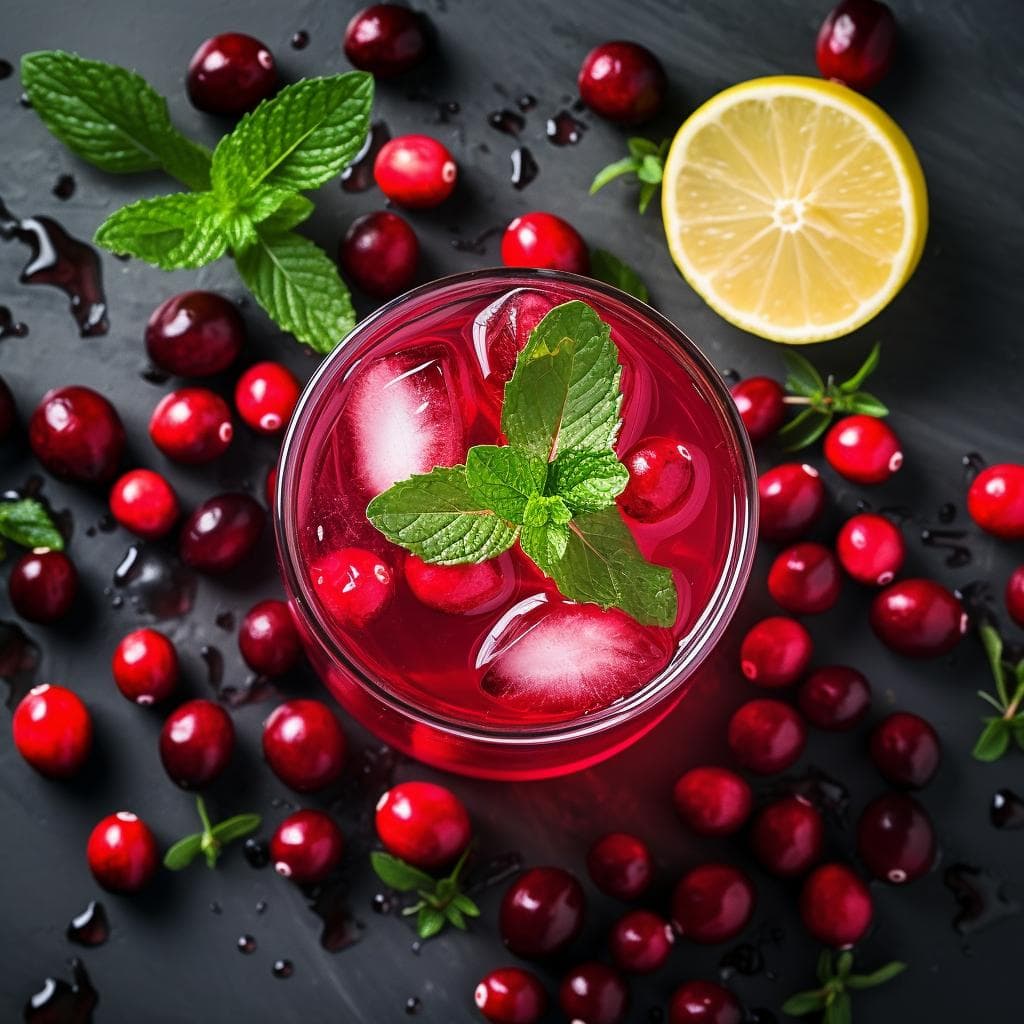
Cranberry juice has gained significant popularity in recent years due to its potential health benefits. From supporting urinary tract health to boosting heart health and strengthening the immune system, cranberry juice has become a favorite among health-conscious individuals. In this article, we will explore the various ways in which cranberry juice can improve your overall well-being and provide tips on incorporating it into your daily diet.
The Nutritional Profile of Cranberry Juice
Cranberry juice is packed with essential nutrients that are beneficial for your health. It is a rich source of vitamin C, antioxidants, and fiber, making it an excellent addition to a balanced diet. Vitamin C plays a crucial role in boosting the immune system, while antioxidants help protect the body against harmful free radicals. Fiber aids in digestion and promotes a healthy gut.
Promoting Urinary Tract Health
One of the most well-known benefits of cranberry juice is its ability to promote urinary tract health. Scientific studies have shown that cranberry juice can help prevent urinary tract infections (UTIs) by preventing bacteria from adhering to the walls of the urinary tract. Regular consumption of cranberry juice has been found to reduce the risk of UTIs, particularly in women.
Boosting Heart Health
Cranberry juice has also been associated with improved heart health. Research suggests that the antioxidants present in cranberry juice may help lower the risk of heart diseases, such as heart attacks and strokes. These antioxidants help reduce inflammation and promote healthy blood flow, thus supporting cardiovascular health.
Immune System Support
The immune-boosting properties of cranberry juice are another reason to include it in your diet. The antioxidants found in cranberries help strengthen the immune system, protecting the body against various infections and illnesses. Regular consumption of cranberry juice may help ward off common colds and flu, keeping your immune system strong and resilient.
Digestive Health and Antioxidant Benefits
Not only does cranberry juice benefit your urinary and cardiovascular systems, but it can also support digestive health. The fiber content in cranberry juice aids in digestion and promotes regular bowel movements. Additionally, the antioxidants present in cranberries help in neutralizing harmful free radicals, which can damage cells and lead to chronic diseases.
Incorporating Cranberry Juice into Your Diet
Adding cranberry juice to your daily diet is simple and enjoyable. You can enjoy it straight as a refreshing beverage or mix it with other juices or sparkling water to create delightful mocktails. Many people also incorporate cranberry juice into their cooking and baking, using it as an ingredient in sauces, dressings, and desserts. However, it's important to remember that moderation is key. Consult with your healthcare professional before making any significant dietary changes.
Nutrition Snapshot
Use this table as a practical reference, not as a substitute for the label on a specific product. Brands, recipes, and serving sizes vary widely.
| Option | Typical calories | Sugar or carbs | What to check |
|---|---|---|---|
| Whole fruit or vegetable | Varies | Naturally packaged with fiber | Usually more filling than juice |
| Unsweetened juice, 4 oz | 50-80 | 10-18 g | Smaller serving helps limit sugar load |
| Sweetened bottled drink | 100-250+ | 20-50 g | Added sugar can outweigh benefits |
Comparison: Best Uses and Trade-Offs
| Choice | Best use | Main trade-off |
|---|---|---|
| Whole produce | More fiber, chewing satisfaction, and slower digestion | Less convenient than bottled drinks |
| Fresh homemade drink | Ingredient control and fresher flavor | Still needs portion control |
| Store-bought drink | Convenient and consistent | Can be high in sugar, sodium, or additives |
Serving Size Guidance
For most juices and blended drinks, use a small glass rather than an oversized bottle. A 4-8 ounce serving is often enough for flavor and nutrients while keeping sugar, calories, or sodium easier to manage. Plain water can remain the default drink between meals.
Who Should Avoid or Limit It
This drink may not be a good fit for people with allergies, medication interactions, digestive sensitivity, or a medically restricted diet. If the beverage is being used to manage a condition rather than simply enjoyed as part of a meal, it is worth checking with a qualified healthcare professional.
Internal Reading Guide
For related context, see The Role of Fresh Juices in a Healthy Diet, Should I consume fruit juice with or without pulp?, What Juices are good for diabetics?. These articles help connect this topic with hydration, sugar intake, caffeine, digestion, and condition-specific drink choices.
How to Use This Advice in Real Life
The most useful way to judge a health-focused drink is to look at the whole pattern around it. A drink that is helpful with breakfast can be less helpful if it becomes a large sweetened serving between meals. A beverage with antioxidants can still be a poor daily choice if it carries a heavy sugar load. A drink that is fine for one person may be inappropriate for someone with diabetes, kidney disease, reflux, pregnancy-related restrictions, or medication interactions.
A simple approach is to ask three questions before making it a habit. First, what does this drink replace? If it replaces soda, energy drinks, or heavily sweetened coffee drinks, it may be a clear improvement. Second, what does the label show? Calories, added sugar, sodium, caffeine, and serving size matter more than front-label health language. Third, how does your body respond? Digestion, sleep, blood sugar, blood pressure, and appetite are practical signals that should shape the routine.
For health-focused drinks, the best results usually come from consistency and moderation rather than aggressive use. Drinking more does not guarantee more benefit. In many cases, the healthier pattern is a small serving with a meal, plain water between meals, and whole foods as the main source of fiber, protein, vitamins, and minerals.
Conclusion
Incorporating cranberry juice into your daily routine can have a positive impact on your well-being. With its numerous benefits for urinary tract health, heart health, immune system support, and digestive health, cranberry juice is a versatile and nutritious addition to your diet. So why not raise a glass of cranberry juice and toast to your overall well-being?
FAQs
Is cranberry juice good for preventing urinary tract infections (UTIs)?
Yes, cranberry juice has been shown to help prevent UTIs by preventing bacteria from adhering to the urinary tract walls.
Can cranberry juice improve heart health?
Research suggests that the antioxidants in cranberry juice may help reduce the risk of heart diseases by promoting healthy blood flow and reducing inflammation.
How can cranberry juice support the immune system?
The antioxidants found in cranberries help strengthen the immune system, protecting the body against various infections and illnesses.
Does cranberry juice aid in digestion?
Yes, the fiber content in cranberry juice supports healthy digestion and promotes regular bowel movements.
How can I incorporate cranberry juice into my daily diet?
You can enjoy cranberry juice as a standalone beverage, mix it with other juices or sparkling water, or use it as an ingredient in sauces, dressings, and desserts. Remember to consume it in moderation and consult with your healthcare professional if needed.
Editorial Notes for Better Decisions
When evaluating how cranberry juice can improve your well-being, focus on how the drink fits into a normal day rather than treating it as a shortcut. The healthiest version is usually unsweetened, portion-aware, and paired with meals or snacks that provide fiber, protein, and healthy fats. That context matters because beverages are easy to overconsume, and labels can make small nutritional differences sound more important than they are.
It also helps to compare the drink with the choice it replaces. Replacing soda, sweet tea, or a large dessert-style coffee drink is different from replacing plain water or whole fruit. The better option depends on your health goals, medical background, taste preferences, and how consistently you can maintain the habit.
Practical Examples and Context
For everyday use, how cranberry juice can improve your well-being should be judged by the full serving, not only by the headline ingredient. A small unsweetened serving can fit comfortably into a balanced routine, while a large bottled version with added sugar, sodium, syrup, or cream can change the nutrition profile quickly. This is why label reading, portion control, and personal tolerance matter as much as the drink category.
One useful habit is to plan when the drink makes the most sense. Some beverages work better with meals because food slows digestion and improves satisfaction. Others are better earlier in the day because of caffeine. Drinks used around exercise, travel, sleep, or medical conditions should be matched to the situation rather than consumed automatically.
If you are comparing options, start with the simplest version first. Choose plain, unsweetened, or low-sodium products when possible, then add flavor intentionally with fruit, herbs, spices, or a measured amount of milk. This approach keeps the drink enjoyable without letting extra ingredients overwhelm the original health goal.
Final Practical Checklist
Before making a drink a daily habit, confirm that the serving size fits your goals, the drink is not quietly adding excess sugar or sodium, and the choice works with your medical context. Choose unsweetened versions when possible, keep portions measured, and use whole foods to supply the fiber and protein that beverages often lack.
The most sustainable routine is usually simple: water as the default, thoughtful drinks with meals, and special beverages used for flavor or targeted nutrition rather than as a cure-all. That pattern keeps possible benefits in perspective while reducing the most common downsides.
Practical Label Check
Read the serving size before judging calories, sugar, sodium, or caffeine. Many bottled drinks contain more than one serving, so the numbers on the label may need to be doubled. For daily use, the best options are usually unsweetened, modest in portion size, and easy to fit alongside meals that provide fiber, protein, and healthy fats.