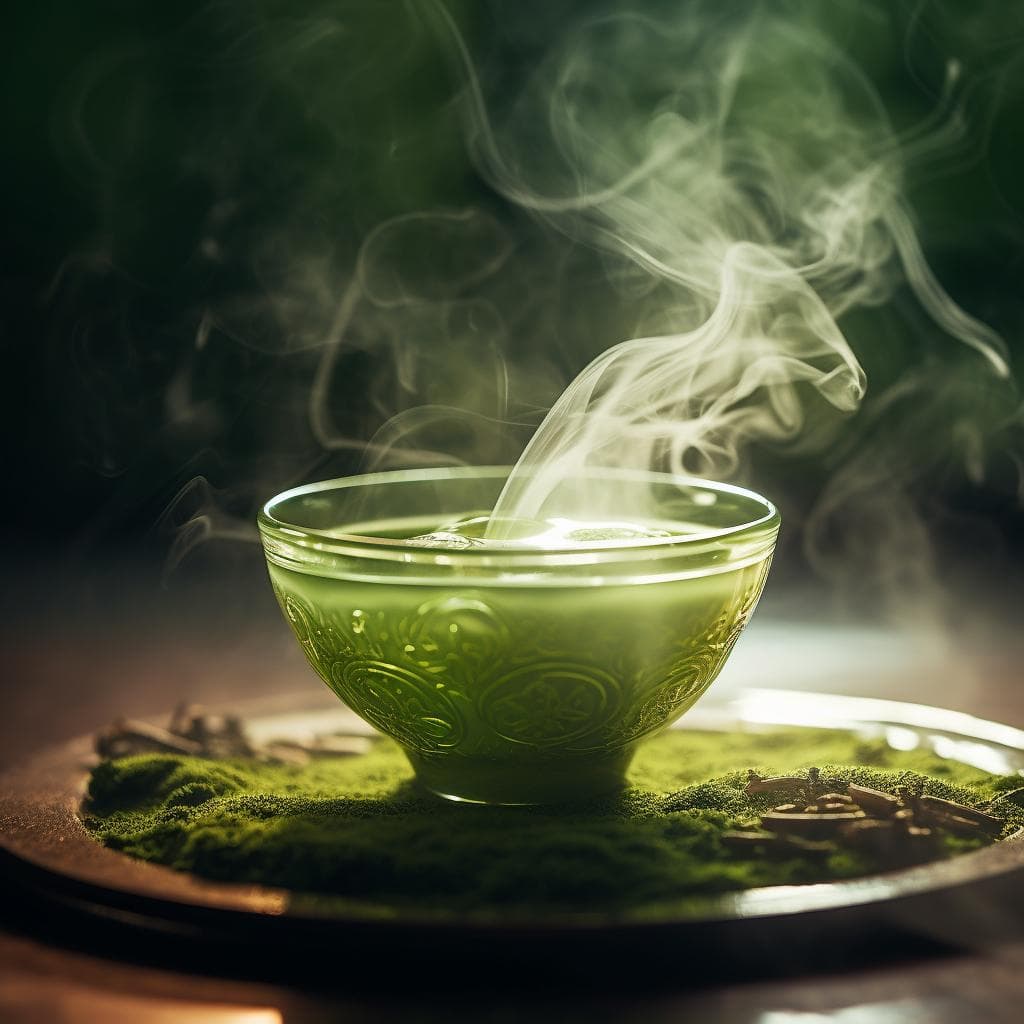

Losing weight can be a challenging journey, and many of us are constantly on the lookout for effective and natural ways to shed those extra pounds. One popular option gaining traction is the consumption of tea specifically tailored for weight loss, particularly before bedtime. In this article, we will delve into the world of nighttime teas and explore the best options for weight loss. So, grab your favorite cuppa, get comfortable, and let's discover the teas that can make a difference in your weight loss journey.
Understanding the Importance of Nighttime Tea for Weight Loss
We all know that a good night's sleep is crucial for overall health and well-being. But did you know that it can also play a role in weight loss? During sleep, our bodies undergo various metabolic processes, including fat burning. Nighttime teas can help optimize this process and support your weight loss efforts. So, how exactly can tea help you shed those pounds while you snooze?
Green Tea: The Ultimate Nighttime Weight Loss Tea
Green tea has been celebrated for its numerous health benefits, and weight loss is one of them. It is rich in antioxidants called catechins that have been shown to increase metabolism and promote fat burning. Studies have revealed that the consumption of green tea before bed can boost your metabolism, leading to increased calorie burning even during sleep. Additionally, the catechins in green tea may help reduce appetite, making it easier to resist those late-night cravings.
Chamomile Tea: The Calming Tea That Aids in Weight Loss
Known for its soothing properties, chamomile tea is a popular choice for promoting relaxation and better sleep. But did you know it can also support your weight loss goals? One of the main contributors to weight gain is stress, which can disrupt sleep patterns and lead to emotional eating. By helping you unwind and promoting a restful sleep, chamomile tea indirectly aids in weight loss by reducing the chances of late-night snacking and emotional eating.
Peppermint Tea: The Refreshing Tea That Aids Digestion
When it comes to aiding digestion and promoting weight loss, peppermint tea takes the cake. This refreshing herbal beverage is known for its ability to relieve bloating and improve overall digestion. By soothing the muscles of the gastrointestinal tract, peppermint tea can help alleviate discomfort and promote a healthy digestive system. When your digestive system is working efficiently, you are less likely to experience bloating and cravings that can derail your weight loss efforts.
Rooibos Tea: The Caffeine-Free, Antioxidant-Rich Tea for Weight Loss
If you're looking for a tea that is both caffeine-free and packed with antioxidants, rooibos tea should be on your radar. This South African herbal tea has gained popularity for its numerous health benefits, including weight loss support. Rooibos tea contains compounds that may help regulate blood sugar levels, reducing cravings and promoting weight loss. Additionally, some studies suggest that rooibos tea may help reduce cortisol levels, a hormone associated with increased belly fat.
Herbal Blends: The Versatile Combination for Nighttime Weight Loss
Herbal tea blends offer a wide range of flavors and benefits, making them a versatile option for weight loss at night. Consider popular blends such as ginger-lemon or cinnamon-mint, which not only offer delicious taste but also support weight loss goals. Ginger is known for its digestive benefits, while lemon provides a refreshing burst of vitamin C. Cinnamon has been shown to help stabilize blood sugar levels, reducing cravings and supporting weight loss efforts. Mint, on the other hand, can help soothe the stomach and aid digestion.
Tips for Consuming Nighttime Tea for Weight Loss
To make the most out of your nighttime tea routine for weight loss, it's essential to consider a few tips. First, timing is key. It is recommended to consume your tea at least an hour before bedtime to allow sufficient time for the tea's components to take effect. Additionally, be mindful of your overall diet and exercise routine. While nighttime teas can support weight loss, they are not magic potions. Incorporate them into a balanced lifestyle that includes a nutritious diet and regular physical activity for optimal results. Lastly, if you have any specific health conditions or are taking medications, it's always wise to consult with your healthcare provider before starting any new tea regimen.
After careful consideration and research, we have presented you with the best teas for weight loss at night. These teas, such as green tea, chamomile tea, peppermint tea, rooibos tea, and herbal blends, offer unique benefits that can enhance your weight loss journey. Remember, consistency is key when incorporating tea into your routine. So, go ahead and start sipping your way to a healthier you.
Nutrition Snapshot
Use this table as a practical reference, not as a substitute for the label on a specific product. Brands, recipes, and serving sizes vary widely.
| Option | Typical calories | Sugar or carbs | What to check |
|---|---|---|---|
| Plain brewed tea | 0-5 | 0 g | 20-80 mg caffeine depending on type and brew strength |
| Sweetened or latte-style tea | 60-250+ | 8-35 g | Varies by milk, syrup, and serving size |
| Decaffeinated or herbal option | 0-10 | 0 g | Often caffeine-free, but check labels |
Comparison: Best Uses and Trade-Offs
| Choice | Best use | Main trade-off |
|---|---|---|
| Plain brewed tea | Low-calorie, antioxidant-rich, easy to control strength | Can still contain caffeine and tannins |
| Coffee | Higher caffeine and strong alertness effect | More likely to affect sleep or jitters in sensitive people |
| Sweet tea drinks | Convenient and flavorful | Added sugar can turn a healthy drink into dessert |
Serving Size Guidance
For weight management, servings matter more than the health halo of the drink. Keep calorie-containing beverages small, avoid sipping sweet drinks between meals, and use unsweetened tea, coffee, or water as defaults. Drinks can support fullness and routines, but they do not replace an overall calorie-aware diet.
Who Should Avoid or Limit It
This drink may not be a good fit for people with allergies, medication interactions, digestive sensitivity, or a medically restricted diet. If the beverage is being used to manage a condition rather than simply enjoyed as part of a meal, it is worth checking with a qualified healthcare professional.
Internal Reading Guide
For related context, see Does Green Tea Have Caffeine?, Master the Art of Green Tea Making: Secrets to Brewing the Perfect Cup, What are the different types of herbal tea and their benefits?. These articles help connect this topic with hydration, sugar intake, caffeine, digestion, and condition-specific drink choices.
How to Use This Advice in Real Life
The most useful way to judge a health-focused drink is to look at the whole pattern around it. A drink that is helpful with breakfast can be less helpful if it becomes a large sweetened serving between meals. A beverage with antioxidants can still be a poor daily choice if it carries a heavy sugar load. A drink that is fine for one person may be inappropriate for someone with diabetes, kidney disease, reflux, pregnancy-related restrictions, or medication interactions.
A simple approach is to ask three questions before making it a habit. First, what does this drink replace? If it replaces soda, energy drinks, or heavily sweetened coffee drinks, it may be a clear improvement. Second, what does the label show? Calories, added sugar, sodium, caffeine, and serving size matter more than front-label health language. Third, how does your body respond? Digestion, sleep, blood sugar, blood pressure, and appetite are practical signals that should shape the routine.
For health-focused drinks, the best results usually come from consistency and moderation rather than aggressive use. Drinking more does not guarantee more benefit. In many cases, the healthier pattern is a small serving with a meal, plain water between meals, and whole foods as the main source of fiber, protein, vitamins, and minerals.
Conclusion
Nighttime teas can be a delicious and natural way to support weight loss efforts while promoting relaxation and better sleep. Green tea, chamomile tea, peppermint tea, rooibos tea, and various herbal blends all offer unique benefits that can significantly contribute to your weight loss journey. Remember, tea alone is not a magical solution, but when combined with a balanced diet and exercise routine, it can make a positive difference in achieving your weight loss goals. So, brew a cup of your favorite nighttime tea and take a step towards a healthier you.
FAQs
Is it safe to drink tea before bed?
Yes, it is generally safe to consume tea before bed. However, you may want to opt for decaffeinated or herbal teas to avoid any potential sleep disturbances.
Are there any side effects of drinking nighttime tea for weight loss?
In general, nighttime teas are safe for consumption. However, certain herbal teas may have specific effects on individuals with allergies or sensitivities. It's best to consult with a healthcare professional if you have any concerns.
Can I drink these teas during the day for weight loss benefits?
While these teas can offer weight loss benefits, consuming them before bed maximizes their effects during the body's natural fat-burning process that occurs during sleep.
Can tea alone help me lose weight?
Tea can support weight loss efforts, but it should be combined with a balanced diet and exercise routine for sustainable and effective weight loss results.
What other lifestyle factors should I consider for weight loss?
In addition to consuming nighttime teas, maintaining a healthy and nutritious diet, engaging in regular physical activity, managing stress levels, and getting sufficient sleep are crucial components of a successful weight loss journey.