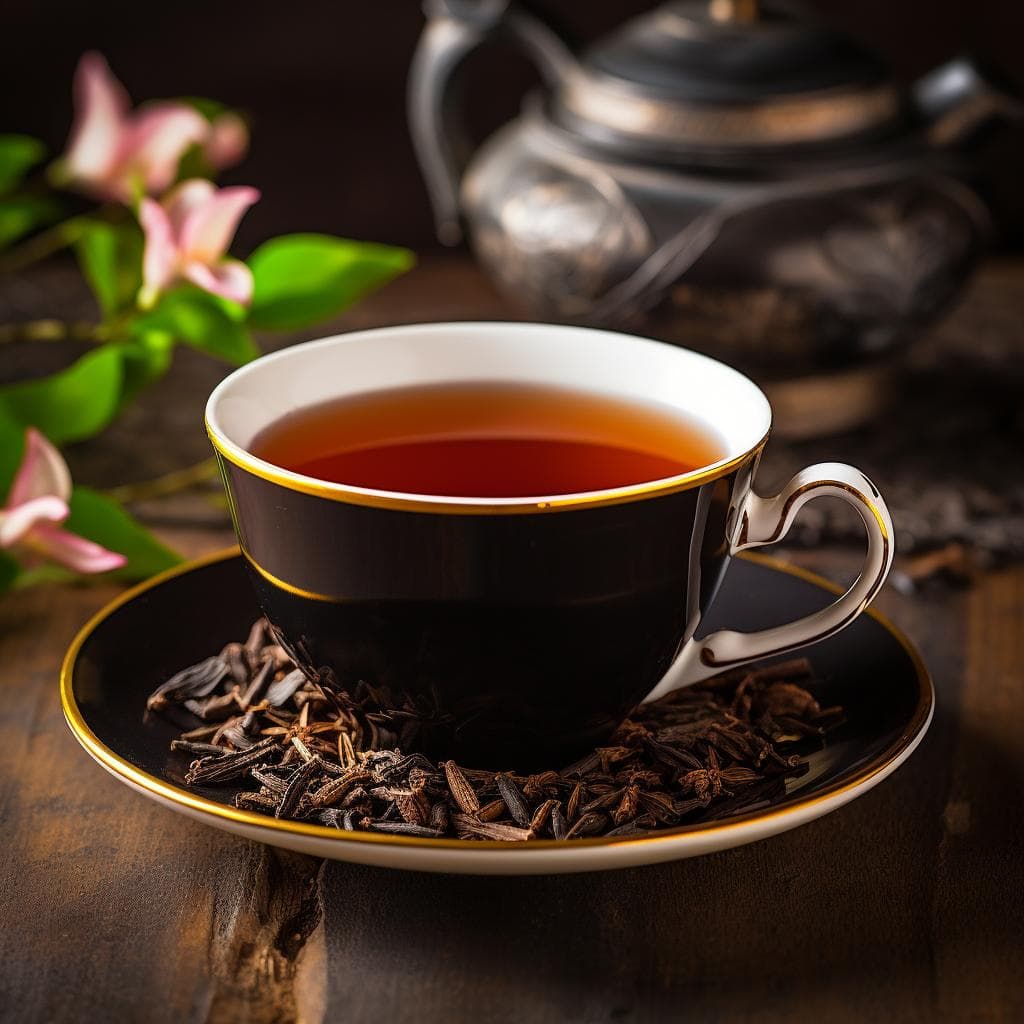
Are you a tea enthusiast looking for a new addition to your hot beverage lineup? Look no further than black tea. With its rich flavor and numerous health benefits, black tea has gained popularity worldwide. In this article, we will delve into the intriguing world of black tea and explore its impact on our well-being.
History and Production of Black Tea
Black tea has a fascinating history, originating from different cultures around the world. From China to India and beyond, black tea has traveled the globe, captivating taste buds along the way. To understand its journey, we must first explore the tea production process, which involves withering, rolling, oxidizing, and drying the tea leaves.
Nutritional Profile of Black Tea
Let's uncover the nutritional treasures hidden within a cup of black tea. As you indulge in this delightful beverage, you can reap the benefits of essential vitamins, minerals, and antioxidants that contribute to your overall health. From vitamin C to polyphenols, black tea offers a nutrient-packed experience.
Health Benefits of Black Tea
Prepare to be amazed by the numerous health benefits that black tea has to offer. From cardiovascular health to mental alertness, regular consumption of black tea can do wonders for your well-being. Let's explore some of these benefits in detail.
1. Boosting Cardiovascular Health: Black tea contains flavonoids, which help reduce the risk of heart disease and promote healthy blood pressure levels. By improving cardiovascular health, black tea can have a positive impact on your overall well-being.
2. Enhancing Mental Alertness: Need a pick-me-up? Black tea, with its moderate caffeine content, can provide a natural energy boost and enhance cognitive function. Prepare to conquer your daily tasks with a sharper mind.
3. Supporting Weight Management and Diabetes Prevention: Black tea may aid in weight management by reducing body weight and body mass index. Additionally, studies have shown that black tea consumption is associated with a lower risk of type 2 diabetes.
Anticancer Properties of Black Tea
Studies have suggested that black tea possesses potent anticancer properties, making it a remarkable addition to our daily routines. Research has indicated that black tea consumption may help prevent certain types of cancer, including breast, ovarian, lung, and prostate cancer. The polyphenols found in black tea exhibit antioxidative and anti-inflammatory properties, potentially reducing the risk of cancer development.
Effects of Black Tea on Gut Health
A healthy gut is vital for overall well-being, and black tea may play a role in maintaining a balanced gut microbiota. The polyphenols in black tea have been shown to possess antimicrobial properties, potentially aiding in the prevention of harmful bacteria in the gut. Additionally, black tea may help reduce inflammation in the gut, promoting better digestive health.
Black Tea and Immune System Support
Boosting our immune systems is more important than ever, and black tea can lend a helping hand. Black tea contains compounds such as alkylamine antigens and catechins, which have shown potential in enhancing the immune system's defense against infections. So next time you're feeling under the weather, reach for a cup of black tea.
Black Tea and Skin Health
Did you know that black tea may contribute to healthier-looking skin? The antioxidants found in black tea can help combat free radicals, reducing the appearance of wrinkles and promoting youthful skin. Additionally, black tea's anti-inflammatory properties may aid in acne management and diminish skin inflammation.
Black Tea vs. Other Types of Tea
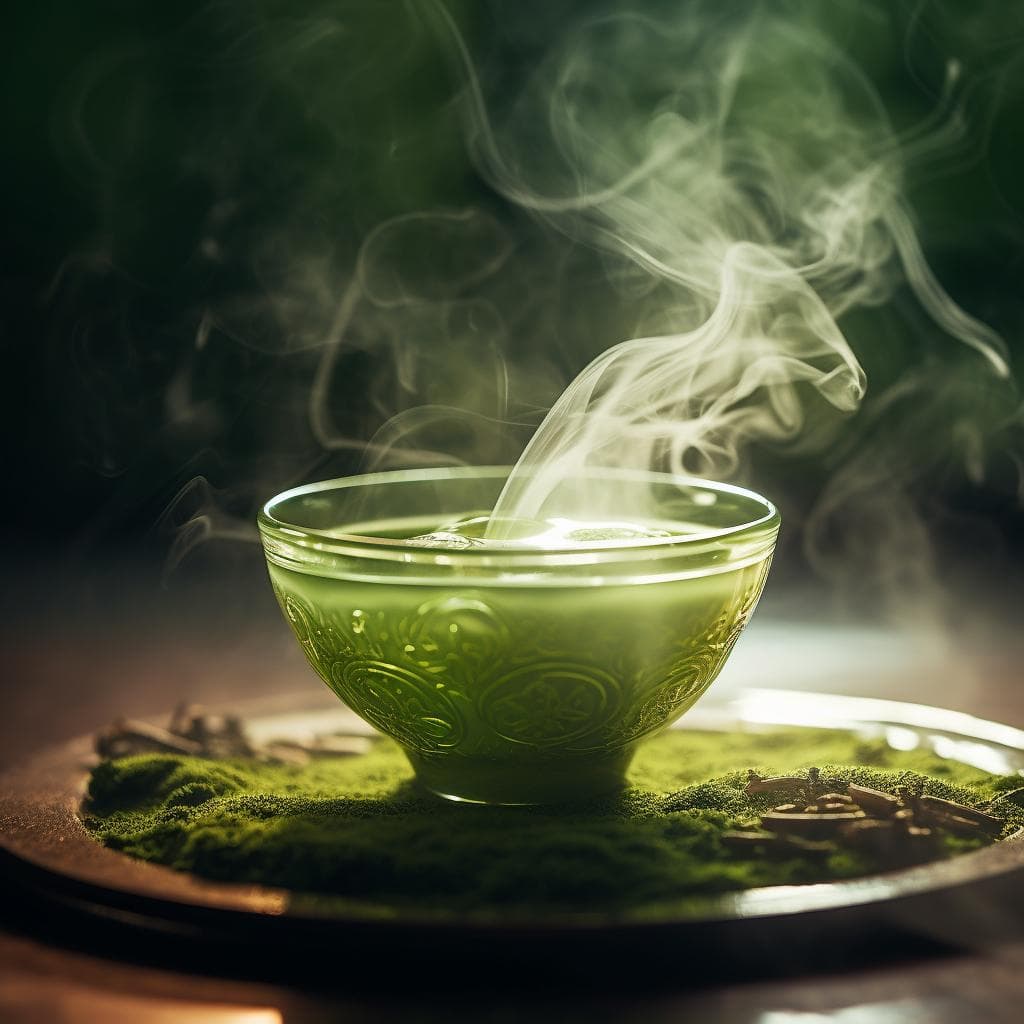
While black tea may steal the spotlight, other types of tea also offer unique health benefits. Green, white, and oolong teas have their own set of advantages, thanks to variations in processing methods and oxidation levels. It's worth exploring these different options to diversify your tea experience and maximize health benefits.
Tips for Incorporating Black Tea Into a Healthy Lifestyle
Ready to embrace black tea as a valuable addition to your daily routine? Here are some tips to help you make the most of its health benefits:
* Serving Suggestions and Variety Options: Experiment with different brewing methods and flavors to suit your taste preferences. Consider adding a slice of lemon or a dash of honey for an extra twist.
* Precautions for Certain Individuals: If you have specific health conditions or you're pregnant, consult with your healthcare provider before incorporating black tea into your daily routine.
Conclusion
In conclusion, black tea is more than just a refreshing beverage. With its rich history and array of health benefits, it deserves a place in our lives. From boosting cardiovascular health to supporting weight management and promoting mental alertness, black tea offers a multitude of advantages. So, why not embark on a journey to discover the wonders of black tea and enhance your well-being?
FAQs
Is black tea better for you than coffee?
While both black tea and coffee offer their own set of health benefits, the choice ultimately depends on your personal preferences and sensitivity to caffeine. Moderation is key!
Can black tea help with weight loss?
Some studies suggest that black tea may aid in weight management by reducing body weight and body mass index. However, it is important to adopt a balanced diet and exercise routine for optimal results.
Does black tea have any side effects?
Black tea is generally safe for moderate consumption. Excessive intake, however, may lead to side effects such as digestive issues or caffeine-related symptoms. It's always best to enjoy black tea in moderation.
Can black tea be consumed during pregnancy?
Pregnant women should consult with their healthcare provider before consuming black tea or any caffeinated beverages, as caffeine intake may need to be limited.
How does black tea compare to green tea in terms of health benefits?
Black tea and green tea come from the same plant, but they undergo different processes. While both offer health benefits, green tea is known for its higher levels of antioxidants, while black tea may have benefits specific to cardiovascular health. It's worth incorporating both into your routine for a well-rounded tea experience.
Nutrition Snapshot
Use this table as a practical reference, not as a substitute for the label on a specific product. Brands, recipes, and serving sizes vary widely.
| Option | Typical calories | Sugar or carbs | What to check |
|---|---|---|---|
| Plain brewed tea | 0-5 | 0 g | 20-80 mg caffeine depending on type and brew strength |
| Sweetened or latte-style tea | 60-250+ | 8-35 g | Varies by milk, syrup, and serving size |
| Decaffeinated or herbal option | 0-10 | 0 g | Often caffeine-free, but check labels |
Comparison: Best Uses and Trade-Offs
| Choice | Best use | Main trade-off |
|---|---|---|
| Plain brewed tea | Low-calorie, antioxidant-rich, easy to control strength | Can still contain caffeine and tannins |
| Coffee | Higher caffeine and strong alertness effect | More likely to affect sleep or jitters in sensitive people |
| Sweet tea drinks | Convenient and flavorful | Added sugar can turn a healthy drink into dessert |
Serving Size Guidance
For most adults, 1-3 cups of plain tea per day is a reasonable starting range. Brew strength, caffeine tolerance, sleep schedule, and pregnancy status can change what is appropriate. If the drink is latte-style or sweetened, count the milk, syrup, and sugar as part of the serving.
Who Should Avoid or Limit It
This drink may not be a good fit for people who are pregnant, sensitive to caffeine, or avoiding alcohol unless the product details and medical guidance support it. If the beverage is being used to manage a condition rather than simply enjoyed as part of a meal, it is worth checking with a qualified healthcare professional.
Internal Reading Guide
For related context, see Does Green Tea Have Caffeine?, Master the Art of Green Tea Making: Secrets to Brewing the Perfect Cup, What are the different types of herbal tea and their benefits?. These articles help connect this topic with hydration, sugar intake, caffeine, digestion, and condition-specific drink choices.
How to Use This Advice in Real Life
The most useful way to judge a health-focused drink is to look at the whole pattern around it. A drink that is helpful with breakfast can be less helpful if it becomes a large sweetened serving between meals. A beverage with antioxidants can still be a poor daily choice if it carries a heavy sugar load. A drink that is fine for one person may be inappropriate for someone with diabetes, kidney disease, reflux, pregnancy-related restrictions, or medication interactions.
A simple approach is to ask three questions before making it a habit. First, what does this drink replace? If it replaces soda, energy drinks, or heavily sweetened coffee drinks, it may be a clear improvement. Second, what does the label show? Calories, added sugar, sodium, caffeine, and serving size matter more than front-label health language. Third, how does your body respond? Digestion, sleep, blood sugar, blood pressure, and appetite are practical signals that should shape the routine.
For health-focused drinks, the best results usually come from consistency and moderation rather than aggressive use. Drinking more does not guarantee more benefit. In many cases, the healthier pattern is a small serving with a meal, plain water between meals, and whole foods as the main source of fiber, protein, vitamins, and minerals.