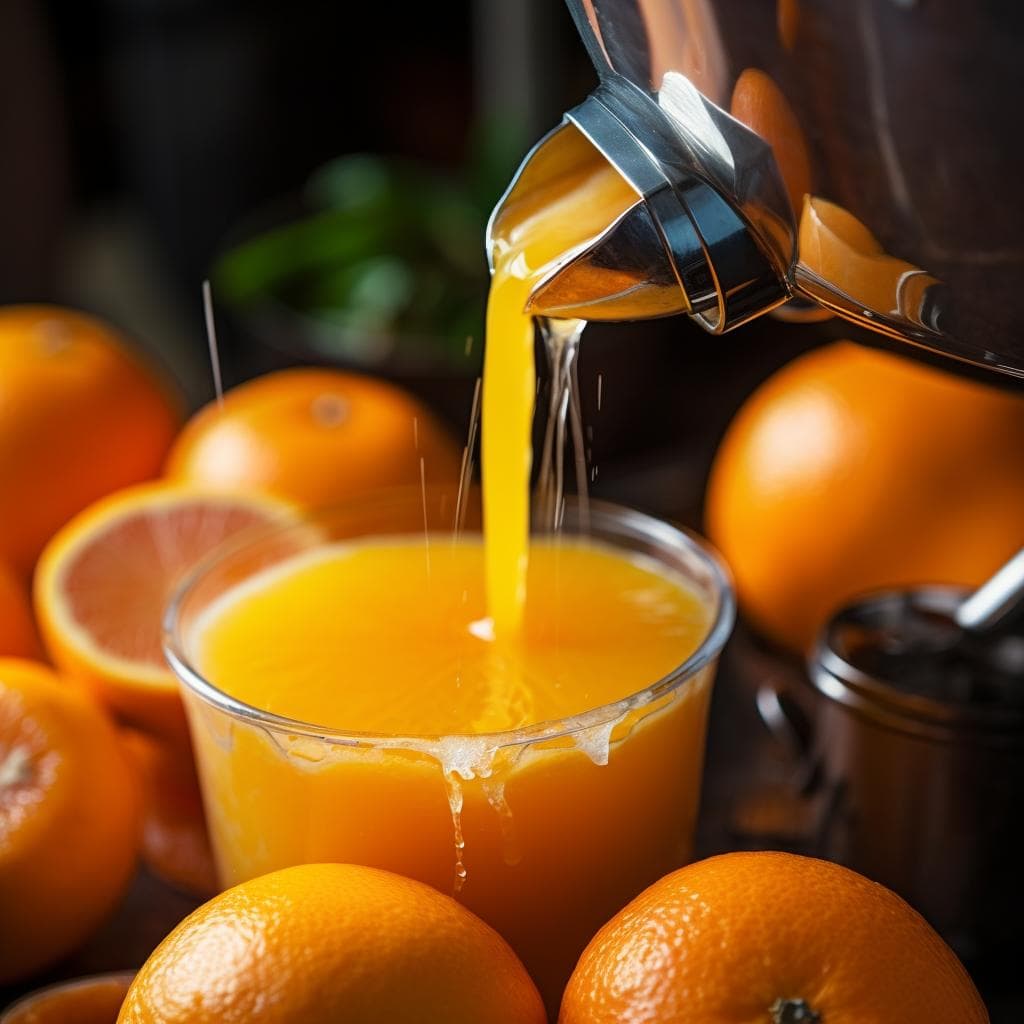
Orange juice has always been a breakfast staple and a popular drink choice for many. From its refreshing taste to its natural tanginess, orange juice manages to perk us up any time of the day. But when it comes to personal preferences, one detail tends to divide orange juice enthusiasts: pulp.
The Battle of Pulp: Exploring Different Preferences
Pulp in orange juice can be a subject of heated debate among citrus connoisseurs. Some people adore that extra bit of texture and believe it adds depth and authenticity to the beverage. Others, however, find it bothersome and consider it an unnecessary interruption in their fruity bliss.
Pro-Pulp Advocates Speak Out
Those who enjoy pulp argue vehemently for its inclusion in orange juice. They argue that the tiny bits of fruit flesh not only add a delightful mouthfeel but also provide more fiber content, giving an added health benefit.
The No-Pulp Crusade Emerges
On the other hand, an increasing number of individuals are turning their backs on those pesky little fruit particles swirling around their glass. They are embracing no-pulp orange juice as the superior choice for reasons ranging from taste preference to digestive ease.
No-Pulp Orange Juice: The Holistic Choice
In today's world where healthy living is at the top of everyone's list, opting for no-pulp orange juice aligns perfectly with a holistic approach towards food and drinks.
By choosing no-pulp varieties, you're ensuring that there are fewer additives or processed elements interfering with your pure citrus experience. You get all the goodness nature intended without any unnecessary additives or artificial flavorings present in some pulpy counterparts.
Maximizing Flavor: Benefits of No-Pulp Orange Juice
No-pulp orange juices offer unique advantages when it comes to maximizing flavor profiles compared to their pulp-filled counterparts.
Without the interference of pulpy bits, your tastebuds can fully appreciate the vibrant sweetness and tanginess that oranges have to offer. Each sip becomes an explosion of pure citrus bliss, without any distractions or surprises from unwanted pulp bits.
Exploring Health Factors
Apart from taste, health-conscious individuals might also consider the nutritional aspects when deciding on their orange juice preferences. While both pulp and no-pulp varieties offer essential vitamins and minerals, there are some distinctions to be aware of.
No-pulp orange juices often contain higher levels of vitamin C compared to their pulpy counterparts due to the absence of pulp dilution. Additionally, they can be a great source of hydration for those seeking a refreshing alternative to sugary beverages.
Quality Control on Your Own Hands: Make Your Homemade No-Pulp OJ!
For those who crave complete control over their orange juice experience, making homemade no-pulp orange juice is an excellent option! It allows you to tailor every aspect according to your specific tastes and needs.
To make your own no-pulp orange juice, follow these simple steps:
1. Start with fresh oranges - organic if possible.
2. Peel them carefully and deseed them.
3. Place the peeled oranges in a juicer or blender.
4. Blend or process until smooth.
5. Strain using a fine-mesh sieve or cheesecloth.
6. Enjoy your homemade glass of tangy triumph - sans pulp!
Not only does this give you full control over freshness and purity levels, but it also lets you experiment with unique flavor combinations by adding other fruits or ingredients into the mix!
Final Thoughts: Embracing Tangy Triumphs Without Pulptastic Disappointments
The battle between pulp and no-pulp will continue as long as people have personal preferences. But it's essential to remember that we're all seeking our own version of citrus nirvana when it comes to orange juice.
Just because you prefer one over the other doesn't mean there's anything wrong with either choice. Whether you enjoy the added texture of pulpy goodness or revel in the pure tanginess of no-pulp OJ, both variations can bring joy and refreshment into your day-to-day life.
So go ahead, toast yourself with a glass of tangy triumph - pulpy or not - and relish in what Mother Nature has given us!
If you haven't already explored different forms of orange juice, now is the perfect time. Give both pulp-filled and no-pulp varieties a fair chance, and discover which variation takes your taste buds on an enchanting journey through citrus paradise. Cheers to finding your ideal glass of liquid sunshine!
In conclusion, while opinions may differ on whether or not to embrace those tiny fruit particles floating around in our beloved orange juice, there's little doubt about the tangy triumph that comes from sipping on a refreshing glass of no-pulp OJ. So pour yourself some pure bliss - sans pulp - and savor every delicious drop!
Nutrition Snapshot
Use this table as a practical reference, not as a substitute for the label on a specific product. Brands, recipes, and serving sizes vary widely.
| Option | Typical calories | Sugar or carbs | What to check |
|---|---|---|---|
| Whole fruit or vegetable | Varies | Naturally packaged with fiber | Usually more filling than juice |
| Unsweetened juice, 4 oz | 50-80 | 10-18 g | Smaller serving helps limit sugar load |
| Sweetened bottled drink | 100-250+ | 20-50 g | Added sugar can outweigh benefits |
Comparison: Best Uses and Trade-Offs
| Choice | Best use | Main trade-off |
|---|---|---|
| Whole produce | More fiber, chewing satisfaction, and slower digestion | Less convenient than bottled drinks |
| Fresh homemade drink | Ingredient control and fresher flavor | Still needs portion control |
| Store-bought drink | Convenient and consistent | Can be high in sugar, sodium, or additives |
Serving Size Guidance
For most juices and blended drinks, use a small glass rather than an oversized bottle. A 4-8 ounce serving is often enough for flavor and nutrients while keeping sugar, calories, or sodium easier to manage. Plain water can remain the default drink between meals.
Who Should Avoid or Limit It
This drink may not be a good fit for people with allergies, medication interactions, digestive sensitivity, or a medically restricted diet. If the beverage is being used to manage a condition rather than simply enjoyed as part of a meal, it is worth checking with a qualified healthcare professional.
Internal Reading Guide
For related context, see The Role of Fresh Juices in a Healthy Diet, Should I consume fruit juice with or without pulp?, What Juices are good for diabetics?. These articles help connect this topic with hydration, sugar intake, caffeine, digestion, and condition-specific drink choices.
How to Use This Advice in Real Life
The most useful way to judge a health-focused drink is to look at the whole pattern around it. A drink that is helpful with breakfast can be less helpful if it becomes a large sweetened serving between meals. A beverage with antioxidants can still be a poor daily choice if it carries a heavy sugar load. A drink that is fine for one person may be inappropriate for someone with diabetes, kidney disease, reflux, pregnancy-related restrictions, or medication interactions.
A simple approach is to ask three questions before making it a habit. First, what does this drink replace? If it replaces soda, energy drinks, or heavily sweetened coffee drinks, it may be a clear improvement. Second, what does the label show? Calories, added sugar, sodium, caffeine, and serving size matter more than front-label health language. Third, how does your body respond? Digestion, sleep, blood sugar, blood pressure, and appetite are practical signals that should shape the routine.
For health-focused drinks, the best results usually come from consistency and moderation rather than aggressive use. Drinking more does not guarantee more benefit. In many cases, the healthier pattern is a small serving with a meal, plain water between meals, and whole foods as the main source of fiber, protein, vitamins, and minerals.
FAQ
What is the main benefit?
The main benefit is that it can make a healthy beverage routine easier to follow. Depending on the drink, it may contribute hydration, antioxidants, minerals, probiotics, or simply a lower-sugar alternative to soda and sweetened bottled drinks. The exact benefit depends on the ingredients, serving size, and the rest of the diet.
How much should I drink?
Most people should start with a modest serving instead of a large bottle. For juice, 4-8 ounces is usually a practical range. For plain tea, coffee alternatives, infused water, or unsweetened drinks, 1-3 servings can fit many routines, but caffeine, sodium, sugar, and medical conditions should guide the final amount.
Can this drink help with weight management?
It can support weight management only when it replaces higher-calorie drinks or helps you stick with balanced meals. It will not cause meaningful fat loss on its own. Watch added sugar, oversized portions, creamy additions, and frequent snacking alongside the drink.
Can I drink it every day?
Many people can include it daily in moderate amounts, but variety is still useful. Rotating water, unsweetened tea, whole fruits, vegetables, and protein-rich foods prevents one drink from carrying too much of the nutrition burden.
Who should be careful with this drink?
People with diabetes, kidney disease, reflux, allergies, pregnancy-related restrictions, medication interactions, or caffeine sensitivity should be more cautious. The safest choice depends on the exact product and personal health context.
Practical Label Check
Read the serving size before judging calories, sugar, sodium, or caffeine. Many bottled drinks contain more than one serving, so the numbers on the label may need to be doubled. For daily use, the best options are usually unsweetened, modest in portion size, and easy to fit alongside meals that provide fiber, protein, and healthy fats.