Living with diabetes means being mindful of food choices and their impact on blood sugar levels. Juices, often considered healthy beverages, can have varying effects on individuals with diabetes. This article aims to provide a comprehensive guide to help diabetics make informed choices about the best juices for their condition.
Understanding Diabetes and Blood Sugar Regulation
Diabetes occurs when the body is unable to properly regulate blood sugar levels. This chronic condition can have serious health consequences if not managed correctly. Monitoring blood sugar levels and making appropriate dietary choices are crucial for diabetics.
Nutritional Composition of Different Juices
When it comes to juices, the nutritional composition varies greatly. Some juices contain high amounts of sugar and can rapidly raise blood sugar levels, while others may have a more moderate impact. Examining the macronutrients and micronutrients present in different juices is essential for individuals with diabetes.
Effects of Different Juices on Blood Sugar
Scientific studies have investigated how different juices affect blood sugar levels in diabetics. While the glycemic index and glycemic load provide insights into a juice's potential impact on blood sugar, additional factors need to be considered. Understanding the mechanisms behind these effects can help diabetics choose appropriate juices.
Best Juice Options for Diabetics
For diabetics, selecting juices with low glycemic index and glycemic load is key. These juices have a minimal impact on blood sugar levels. Additionally, certain juices offer additional health benefits, such as antioxidants and anti-inflammatory properties, which can be beneficial for diabetics.
Quantity and Timing of Juice Consumption for Diabetics
Determining the right portion sizes and frequency of juice consumption is crucial for blood sugar management. It is important to balance juice intake with a well-balanced diet and the timing of medication to prevent blood sugar fluctuations. Consulting with a healthcare professional can help tailor recommendations to individual needs.
Juice Preparation Methods for Diabetics
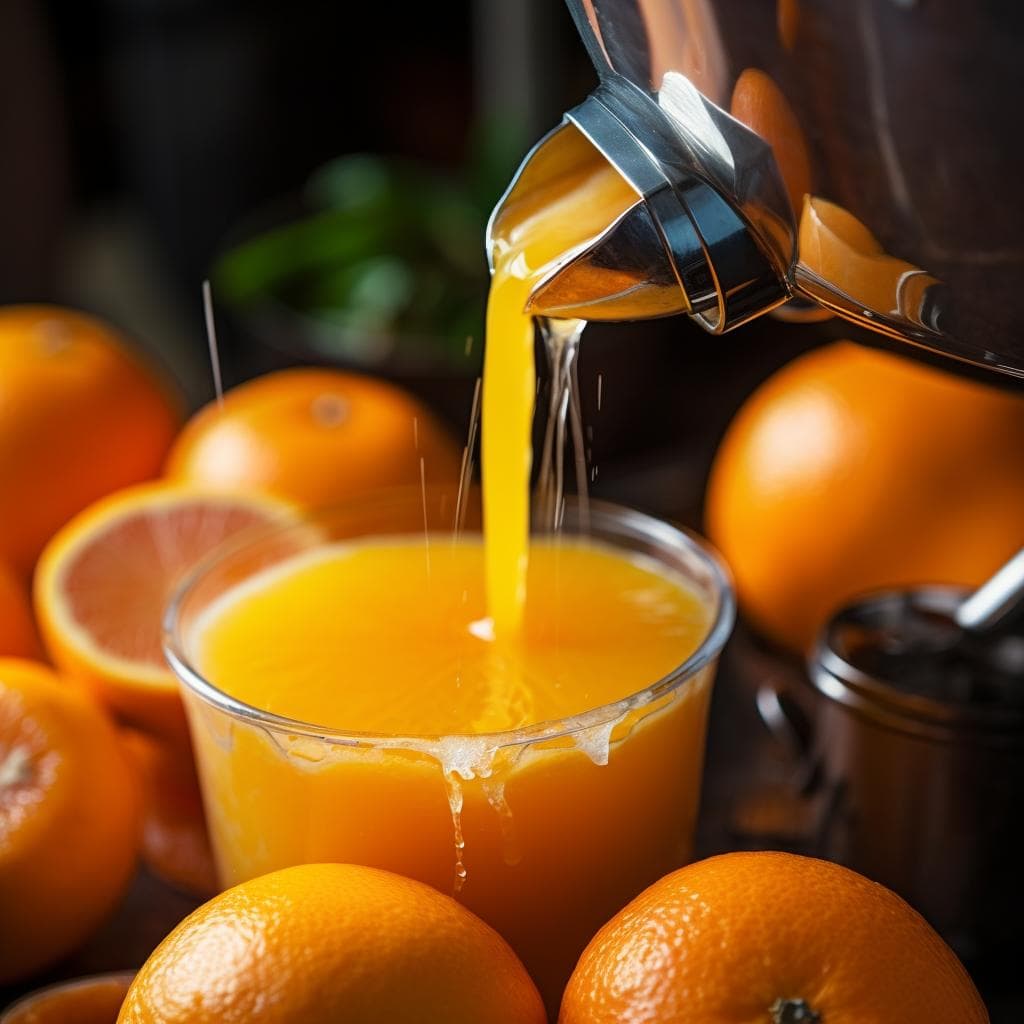
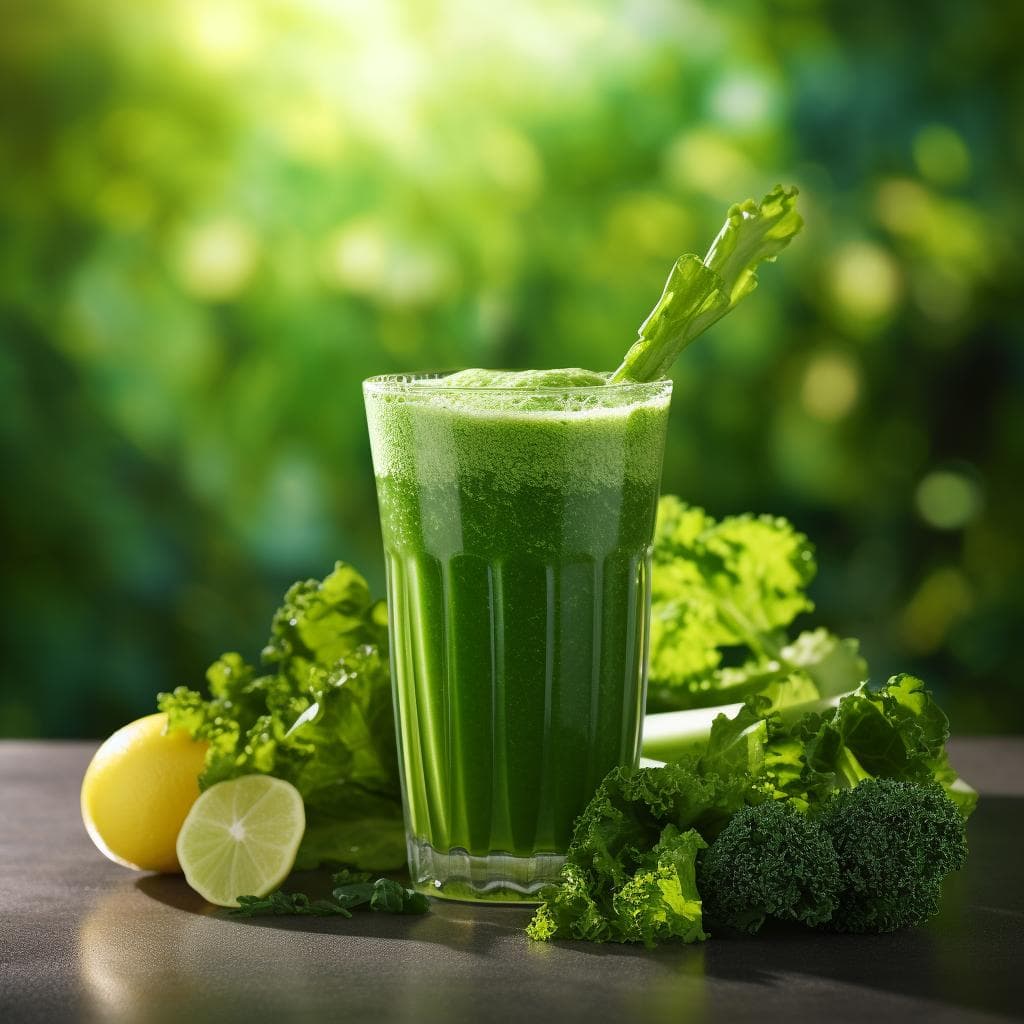
Homemade juices can be a preferred choice for diabetics as they offer better control over the ingredients and sugar content. Tips for choosing and preparing juices that minimize the impact on blood sugar levels can make a significant difference in managing diabetes effectively.
Other Considerations for Diabetics
Diabetes management is a comprehensive approach that involves various factors beyond juice consumption. Understanding potential interactions between juices and diabetes medications is important. Lifestyle habits, such as regular exercise and stress management, as well as a well-rounded diet, play a crucial role in blood sugar management.
Nutrition Snapshot
Use this table as a practical reference, not as a substitute for the label on a specific product. Brands, recipes, and serving sizes vary widely.
| Option | Typical calories | Sugar or carbs | What to check |
|---|---|---|---|
| Whole fruit or vegetable | Varies | Naturally packaged with fiber | Usually more filling than juice |
| Unsweetened juice, 4 oz | 50-80 | 10-18 g | Smaller serving helps limit sugar load |
| Sweetened bottled drink | 100-250+ | 20-50 g | Added sugar can outweigh benefits |
Comparison: Best Uses and Trade-Offs
| Choice | Best use | Main trade-off |
|---|---|---|
| Whole produce | More fiber, chewing satisfaction, and slower digestion | Less convenient than bottled drinks |
| Fresh homemade drink | Ingredient control and fresher flavor | Still needs portion control |
| Store-bought drink | Convenient and consistent | Can be high in sugar, sodium, or additives |
Serving Size Guidance
For diabetes management, treat juice and sweet drinks as carbohydrate-containing foods. A practical limit is often 4 ounces of unsweetened juice with a meal, not as a free-sipping drink. Pairing the drink with protein, fat, or fiber may soften the glucose rise, but individual responses vary. People using insulin or glucose-lowering medication should follow their care plan and monitor blood sugar after trying a new beverage.
Who Should Avoid or Limit It
This drink may not be a good fit for people with diabetes who notice sharp glucose spikes after juice or sweet drinks. If the beverage is being used to manage a condition rather than simply enjoyed as part of a meal, it is worth checking with a qualified healthcare professional.
Internal Reading Guide
For related context, see The Role of Fresh Juices in a Healthy Diet, Should I consume fruit juice with or without pulp?. These articles help connect this topic with hydration, sugar intake, caffeine, digestion, and condition-specific drink choices.
How to Use This Advice in Real Life
The most useful way to judge a health-focused drink is to look at the whole pattern around it. A drink that is helpful with breakfast can be less helpful if it becomes a large sweetened serving between meals. A beverage with antioxidants can still be a poor daily choice if it carries a heavy sugar load. A drink that is fine for one person may be inappropriate for someone with diabetes, kidney disease, reflux, pregnancy-related restrictions, or medication interactions.
A simple approach is to ask three questions before making it a habit. First, what does this drink replace? If it replaces soda, energy drinks, or heavily sweetened coffee drinks, it may be a clear improvement. Second, what does the label show? Calories, added sugar, sodium, caffeine, and serving size matter more than front-label health language. Third, how does your body respond? Digestion, sleep, blood sugar, blood pressure, and appetite are practical signals that should shape the routine.
For health-focused drinks, the best results usually come from consistency and moderation rather than aggressive use. Drinking more does not guarantee more benefit. In many cases, the healthier pattern is a small serving with a meal, plain water between meals, and whole foods as the main source of fiber, protein, vitamins, and minerals.
Conclusion
Choosing the right juices for individuals with diabetes is a balancing act. Opting for juices with low glycemic index and glycemic load, while considering additional health benefits, can help regulate blood sugar levels. However, it is vital for diabetics to consult with healthcare professionals to personalize their dietary choices based on their unique needs.
Note: The article above does not guarantee the accuracy or medical soundness of the information provided. Please consult a healthcare professional for personalized advice regarding your specific health condition.
FAQ
What is the main benefit?
The main benefit is that it can make a healthy beverage routine easier to follow. Depending on the drink, it may contribute hydration, antioxidants, minerals, probiotics, or simply a lower-sugar alternative to soda and sweetened bottled drinks. The exact benefit depends on the ingredients, serving size, and the rest of the diet.
How much should I drink?
Most people should start with a modest serving instead of a large bottle. For juice, 4-8 ounces is usually a practical range. For plain tea, coffee alternatives, infused water, or unsweetened drinks, 1-3 servings can fit many routines, but caffeine, sodium, sugar, and medical conditions should guide the final amount.
Can this drink help with weight management?
It can support weight management only when it replaces higher-calorie drinks or helps you stick with balanced meals. It will not cause meaningful fat loss on its own. Watch added sugar, oversized portions, creamy additions, and frequent snacking alongside the drink.
Can I drink it every day?
Many people can include it daily in moderate amounts, but variety is still useful. Rotating water, unsweetened tea, whole fruits, vegetables, and protein-rich foods prevents one drink from carrying too much of the nutrition burden.
Who should be careful with this drink?
People with diabetes, kidney disease, reflux, allergies, pregnancy-related restrictions, medication interactions, or caffeine sensitivity should be more cautious. The safest choice depends on the exact product and personal health context.
Final Practical Checklist
Before making a drink a daily habit, confirm that the serving size fits your goals, the drink is not quietly adding excess sugar or sodium, and the choice works with your medical context. Choose unsweetened versions when possible, keep portions measured, and use whole foods to supply the fiber and protein that beverages often lack.
The most sustainable routine is usually simple: water as the default, thoughtful drinks with meals, and special beverages used for flavor or targeted nutrition rather than as a cure-all. That pattern keeps possible benefits in perspective while reducing the most common downsides.
Practical Label Check
Read the serving size before judging calories, sugar, sodium, or caffeine. Many bottled drinks contain more than one serving, so the numbers on the label may need to be doubled. For daily use, the best options are usually unsweetened, modest in portion size, and easy to fit alongside meals that provide fiber, protein, and healthy fats.
For diabetes specifically, the safest juice choice is usually the smallest one that still satisfies the purpose of the drink. Tomato juice or vegetable juice may look lower in sugar than fruit juice, but sodium can be high. Orange, grape, apple, and cranberry juice can raise glucose quickly, especially when consumed without food. When in doubt, compare the carbohydrate grams, keep the portion measured, and test personal blood sugar response instead of relying only on generic glycemic index lists.